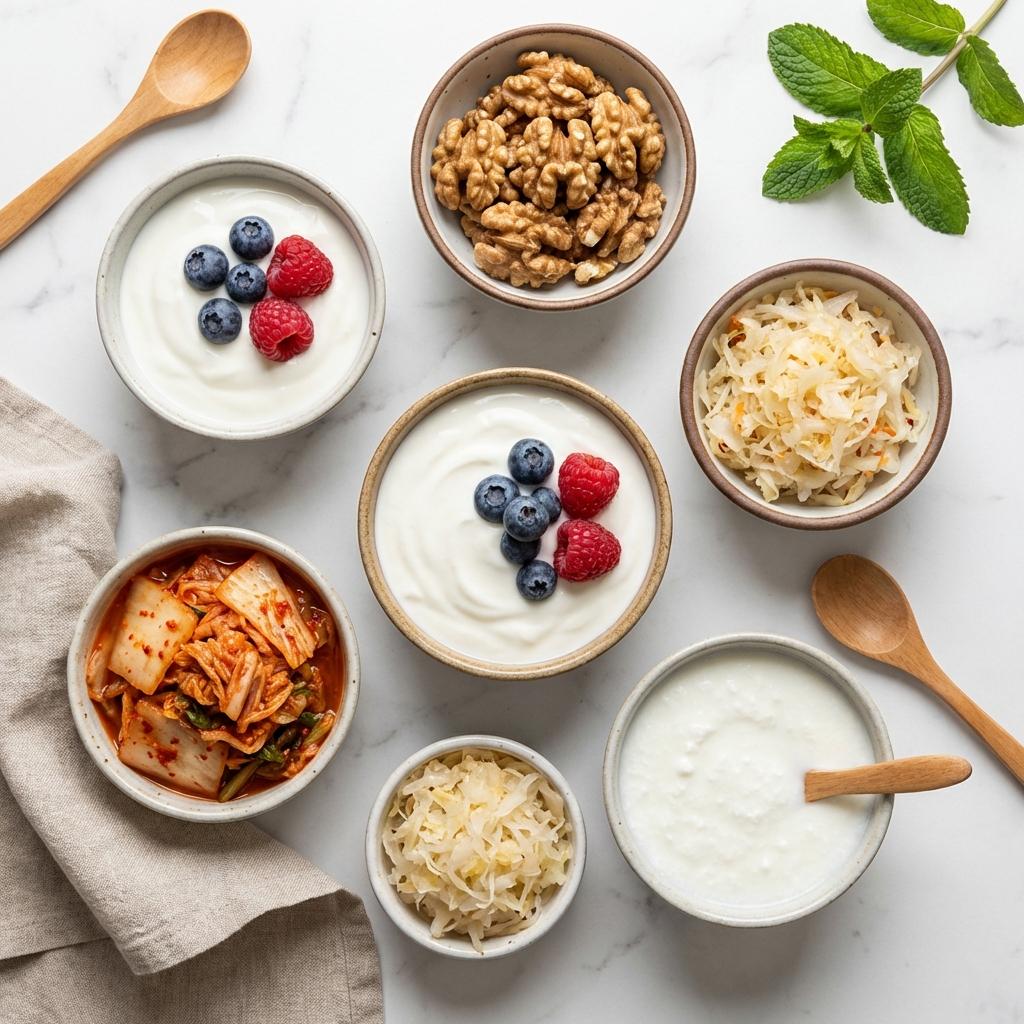
Have you ever felt "butterflies" in your stomach before a big presentation? Or followed a "gut feeling" when making a decision? These aren't just metaphors. They are physical manifestations of the powerful, two-way communication channel between your brain and your digestive system.
This link, known as the gut-brain axis, is one of the most exciting frontiers in mental health research. It reveals that what we eat doesn't just affect our physical body—it plays a massive role in our mood, stress levels, and anxiety.
The Science: Your Second Brain
Your gut contains deeply extensive network of neurons—so many, in fact, that scientists often call it your "second brain." The gut and brain are connected physically through the vagus nerve, a major component of the parasympathetic nervous system that oversees mood, immune response, and heart rate.
But the connection is chemical, too. A staggering 95% of your body's serotonin—the "feel-good" neurotransmitter that regulates mood and sleep—is produced in your gut. If your gut health is compromised, your serotonin production may suffer, directly impacting your happiness and anxiety levels.
Foods That Fight Anxiety
To support a healthy mind, you need to support a healthy gut microbiome (the trillions of bacteria living in your digestive tract). Here are the top dietary pillars for better mental health:
1. Probiotics (The Good Bacteria)
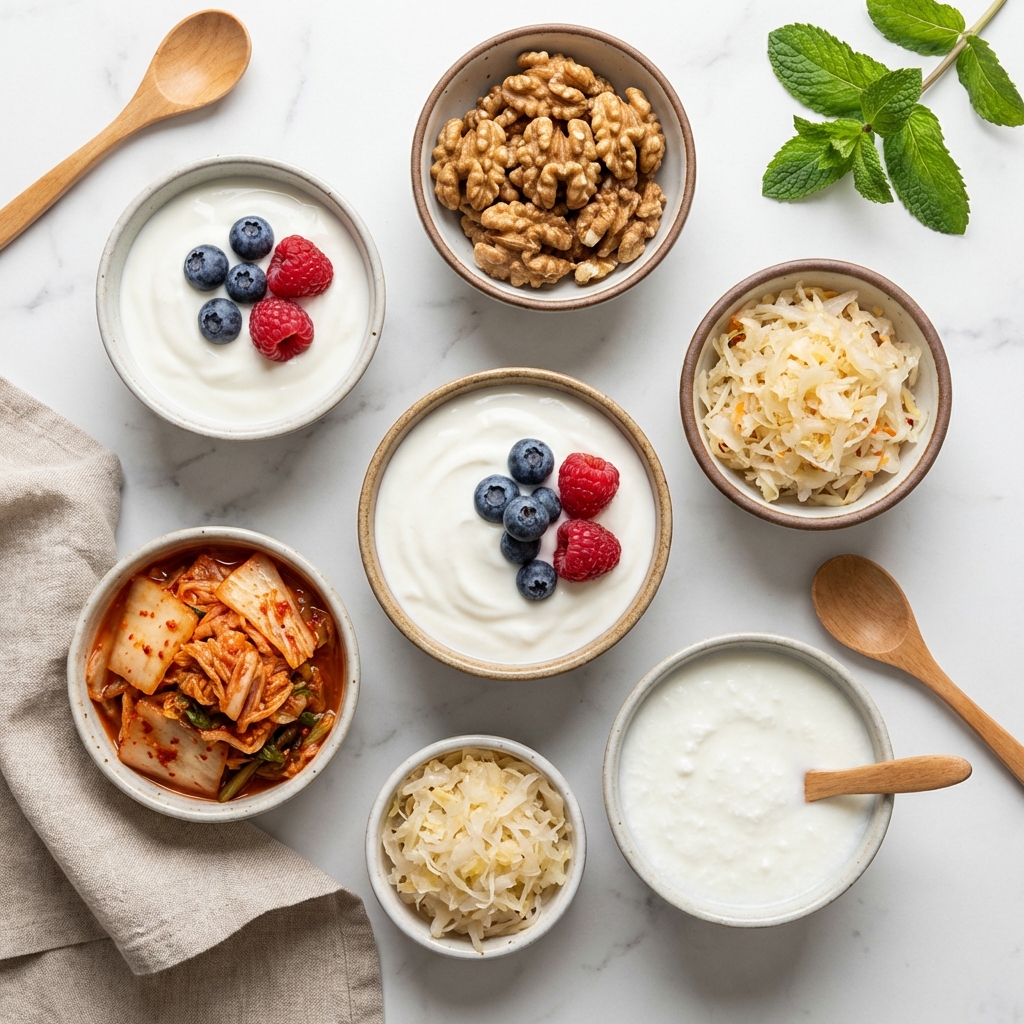
Probiotics are live bacteria that add to the population of "good" microbes in your gut. Studies have shown that probiotic-rich foods can lower cortisol (stress hormone) levels and reduce symptoms of anxiety.
What to eat:
- Yogurt (with live cultures)
- Kefir
- Sauerkraut
- Kimchi
- Miso
- Tempeh
2. Prebiotics (Fuel for the Good Bacteria)
Probiotics need to eat, too. Prebiotics are types of fiber that your body acts as fuel for your healthy gut bacteria.
What to eat:
- Garlic and onions
- Bananas (especially slightly green ones)
- Oats
- Asparagus
- Apples
3. Omega-3 Fatty Acids
These healthy fats are essential for brain health and reduce inflammation, which is often linked to depression and anxiety.
What to eat:
- Fatty fish (salmon, mackerel, sardines)
- Walnuts
- Chia seeds
- Flaxseeds
Foods That Fuel Anxiety
Just as some foods heal, others can harm. An "anxiety-promoting" diet is often high in processed ingredients that cause inflammation and disrupt your microbiome.
- Sugar and Refined Carbs: Causes blood sugar spikes and crashes that mimic panic attacks (shaking, irritability).
- Processed Foods: High in artificial additives that can damage the gut lining.
- Excessive Alcohol: Damages gut bacteria and increases intestinal permeability ("leaky gut").
- Too Much Caffeine: Can overstimulate the nervous system and increase cortisol.
3 Simple Steps to Start Today
You don't need to overhaul your entire diet overnight. Start small to see big changes in your mood.
- Add one fermented food daily: A side of sauerkraut with dinner or a yogurt breakfast is a great start.
- Swap one processed snack for a whole food: Trade the afternoon chips for a handful of walnuts or a banana.
- Track your "Food Mood": Use a journal or app to notice how you feel 1-2 hours after eating. Do you feel energized, or sluggish and anxious?
The Bottom Line
Your fork is a powerful tool for mental wellness. By nourishing your gut with whole, natural foods, you’re not just fueling your body—you’re sending a message of calm and safety to your brain.
Disclaimer: This article is for informational purposes only and is not medical advice. If you suffer from severe anxiety or digestive issues, please consult a healthcare professional.