AnxietyPulse
Article2026-05-12

Hangxiety: Why Alcohol Spikes Your Anxiety the Day After

A
Anxiety Pulse Team
Editor

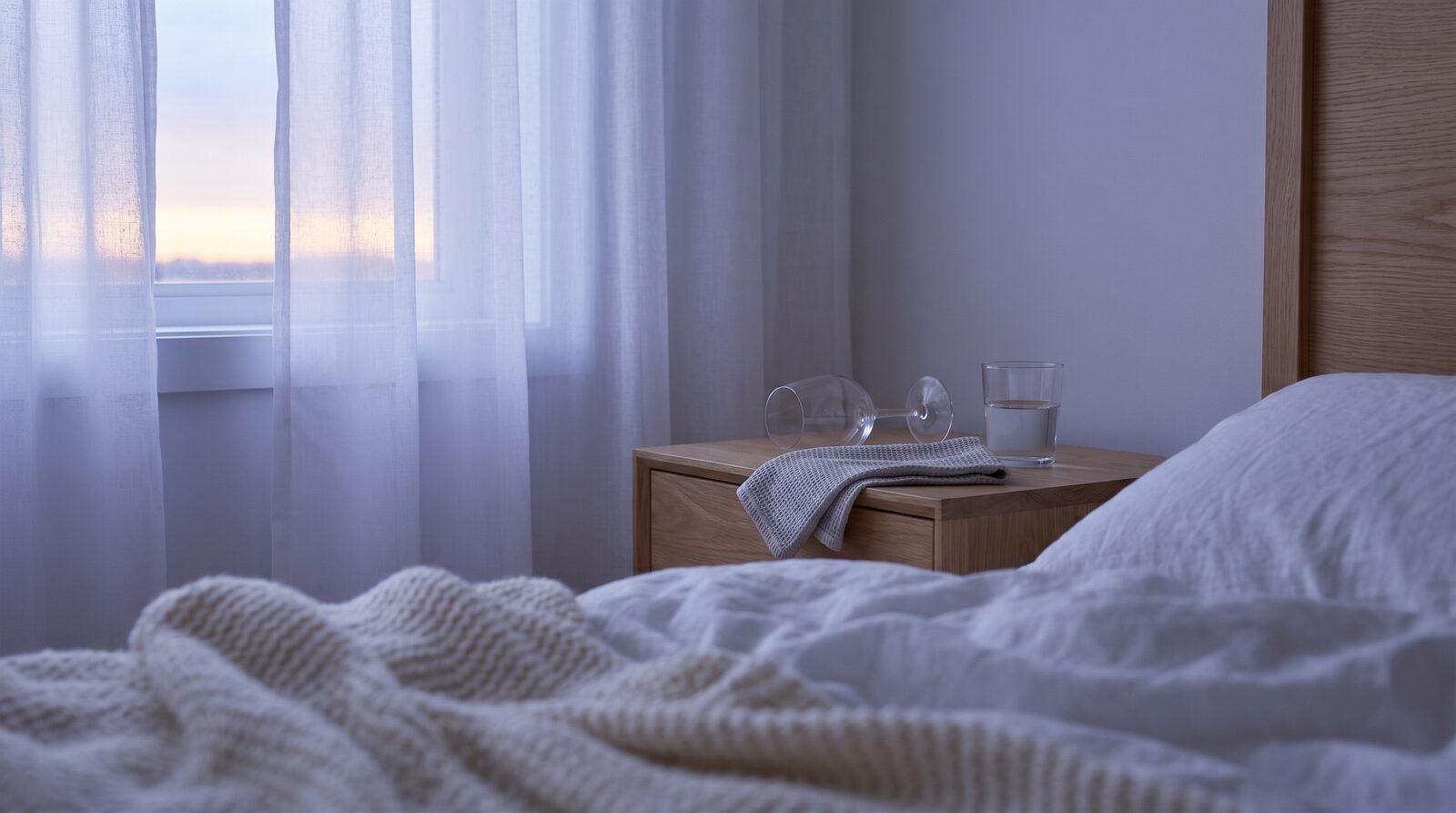
You wake at 5am with a sharp, formless dread sitting on your chest. Your heart is faster than it should be. You scroll through the previous night for the thing you said wrong, the look someone gave you, the message you maybe shouldn't have sent. Even when you find nothing damning, the dread stays. The hangover headache, if it shows up at all, is a footnote. The real symptom is the wave of anxiety that has nothing to attach itself to and refuses to leave.

This is hangxiety, and it is one of the most predictable, mechanically explainable features of drinking. It is not a sign you are uniquely fragile, not proof you ruined your reputation last night, and not, despite how it feels, a moral hangover. It is the second half of a neurochemical see-saw your brain rode up when alcohol entered your system, and is now riding back down without permission.

Here is what hangxiety actually is, the brain chemistry behind it, why some people get it worse than others, and a practical recovery protocol for the next morning you wake up at 5am with no idea why your nervous system thinks something is wrong.

What Hangxiety Actually Is

Hangxiety is the surge of anxiety, irritability, and emotional fragility that follows alcohol consumption, peaking roughly 8 to 14 hours after your last drink and typically resolving within 24 to 36 hours. It can occur without a traditional hangover (no headache, no nausea) and it can occur after surprisingly modest drinking. Some people experience it after two glasses of wine; others not until five drinks; a few people seem nearly immune.

The clinical literature calls this an "alcohol-induced anxiety state" or sometimes "alcohol withdrawal anxiety," which is more accurate than it sounds. You do not have to be a daily drinker to experience withdrawal-style anxiety from one heavy night. Your brain spent several hours adapting to the presence of alcohol; when the alcohol leaves, the adaptations are still there, and the imbalance produces anxiety.

This matters because it reframes the whole experience. Hangxiety is not your subconscious reviewing your behavior and finding you guilty. It is neurochemistry on a return arc. Knowing that does not make the feeling vanish, but it dramatically changes how you treat it.

The GABA and Glutamate See-Saw

This is the core mechanism. Two neurotransmitters do most of the work.

GABA is your brain's main inhibitory neurotransmitter: it dampens neural activity, lowers anxiety, and slows things down. Alcohol is, at the molecular level, a GABA enhancer. It binds to GABA receptors and amplifies their effect, which is why the first drink takes the edge off your shoulders, the second one makes you talkative, and the fourth one makes you sleepy.

Glutamate is your brain's main excitatory neurotransmitter: it speeds things up, ramps up vigilance, and produces alertness. Alcohol simultaneously suppresses glutamate activity. The combined GABA-up, glutamate-down shift is essentially a chemical sedative.

Your brain, being a tightly regulated system, does not enjoy being sedated. Over the hours you are drinking, it adapts in the opposite direction: it down-regulates GABA receptors (since GABA is being artificially enhanced) and up-regulates glutamate (to compensate for the suppression). This is the brain's attempt to maintain its baseline.

Then you stop drinking and go to sleep. Over the next several hours, the alcohol clears your bloodstream. The adaptations do not clear. You are now stuck with:

  • Suppressed GABA function, meaning your built-in anxiety brake is partially offline
  • Elevated glutamate activity, meaning your accelerator is pressed slightly down

Net effect: a brain that is biased toward arousal, vigilance, and anxiety for the next 8 to 24 hours, with no inhibitory buffer to stop the wave. That is hangxiety, in one sentence of biochemistry. It is the GABA-glutamate balance overshooting in the opposite direction.

For some perspective on how powerful this rebound is: benzodiazepines like Xanax and Ativan also work by enhancing GABA. Doctors do not abruptly stop heavy benzodiazepine users, because the GABA rebound can produce seizures. Alcohol works on the same system. One heavy night produces a tiny version of that rebound; chronic heavy drinking produces a much larger one. (For more on alcohol and the long arc of anxiety, see our piece on sobriety, alcohol, and anxiety.)

The Cortisol and REM-Sleep Layer

Underneath the neurotransmitter rebound, alcohol does two other things that compound the morning misery.

It spikes cortisol overnight. Cortisol is your main stress hormone, normally peaking around 6 to 8am to wake you up. Alcohol disrupts the normal cortisol curve, producing higher-than-usual nighttime levels and an exaggerated morning spike. You wake up bathed in stress hormone. This is part of why hangxiety so often hits at 4 or 5am, before you would normally be up: cortisol is dragging you to consciousness early, into a brain with no GABA buffer.

It demolishes REM sleep. Alcohol is famously bad for sleep architecture. It speeds sleep onset (the sedative effect) but suppresses REM sleep in the first half of the night and causes fragmented, shallow sleep in the second half. REM is where the brain does most of its emotional regulation; without enough of it, you wake up with raw, unprocessed feelings and a thinner threshold for stress.

This is why six hours of sleep after drinking feels worse than six hours of sleep sober. The architecture is wrong. (Our guide to nighttime anxiety and sleep goes deeper into the sleep-anxiety loop and why protecting REM matters.)

The Smaller Contributors

The chemistry above does most of the work, but a few other factors stack on top.

Dehydration. Alcohol is a diuretic; you lose more fluid than you take in. Mild dehydration produces fatigue, headache, and a faint generalized unease that hangxiety latches onto. Rehydrating won't fix the neurotransmitter rebound but it removes one source of noise.

Blood sugar drop. Alcohol disrupts blood glucose regulation. Many people get hangxiety with a low-blood-sugar component: shaky hands, lightheadedness, panicky surges that ease after eating. A balanced meal helps.

The social-replay loop. Once your anxious brain is online without its inhibitory buffer, it goes hunting for explanations. It re-runs every conversation, every text you sent, every joke you told, scanning for evidence of disaster. Because anxious cognition is biased toward catastrophic interpretation, you will find evidence whether or not it is real. The loop feels like cause, but it is actually effect: the chemistry produced the anxiety, and the anxiety produced the spiral. This is critical to recognize so you do not act on the spiral (deleting people, sending apology texts, quitting jobs) in a state where your judgment is impaired by withdrawal chemistry.

Why Some People Get It Worse

Hangxiety is not evenly distributed. The pattern is fairly predictable.

Existing anxious baseline. People with generalized anxiety, panic, or social anxiety experience hangxiety more severely. Their nervous system is already running closer to the threshold, so the GABA rebound pushes them further over it.

Genetics. GABA receptor genetics vary across the population. People with certain variants of the GABA-A receptor gene experience stronger withdrawal effects even from moderate drinking. This is partly heritable: if your parents got hangxiety, you probably will too.

Sex. Women on average reach higher blood alcohol concentration per drink than men of comparable size (less body water, different first-pass metabolism), so the rebound tends to hit harder per unit consumed.

Frequency. Counterintuitively, occasional drinkers often experience hangxiety more acutely than regular drinkers, because their brains have not built up the chronic adaptations that blunt the contrast. (This is not an argument for chronic drinking; chronic drinkers eventually develop the much worse problem of baseline anxiety that only quiets with the next drink.)

Social anxiety pre-existing. People who drink primarily to manage social anxiety tend to get hit hardest, because they are already running with a fragile GABA system and they are using alcohol to plug a gap that comes back twice as wide the next morning. (Some context in our social anxiety guide.)

Why "Hair of the Dog" Works Briefly and Makes Everything Worse

The classic remedy of a morning drink works, briefly. Another shot of alcohol restores the GABA enhancement that has been removed. The anxiety drops, the hands stop shaking, the world steadies.

It also extends the rebound. Your brain now has to clear that alcohol too, and the adaptations underneath it deepen by another increment. You have not solved the imbalance; you have postponed it by a few hours and made the next round of clearance worse. This is the basic mechanism by which weekend hangxiety, treated with a Bloody Mary, drifts into a daily-drinking pattern within months for some people. Do not start.

How Long Hangxiety Lasts

Roughly:

  • 8 to 14 hours post-last-drink: peak anxiety, often waking you early
  • 14 to 24 hours: a gradual taper, with the emotional fragility lasting longer than the physical symptoms
  • 24 to 36 hours: most people are back to baseline
  • 48+ hours: heavy nights can produce lingering low-grade anxiety for two to three days, sometimes called the "two-day hangover"
  • Chronic pattern: regular weekend drinking can leave a constant low-grade anxious tone that lifts only after about two alcohol-free weeks

If your hangxiety routinely runs past 36 hours, your nervous system is taking longer to recalibrate than it should, and that is worth taking seriously as a signal.

The Morning-Of Recovery Protocol

Nothing erases hangxiety. The chemistry has to run its course. But several things shorten the curve and reduce the suffering.

  1. Do not catastrophize the catastrophizing. Recognize that the wave you are in is not information about your life. Your brain is in temporary withdrawal. You can say, out loud if it helps, "this is hangxiety, not signal." Naming it shrinks it.
  2. Drink water and add electrolytes. Rehydrate before reaching for caffeine. A glass of water with a pinch of salt, or an electrolyte drink, addresses one real driver. Then drink another over the next hour.
  3. Eat something balanced. Protein, fat, and slow carbs together. Eggs and toast. Yogurt with nuts and fruit. Anything that stabilizes blood sugar without spiking it. Skip the sugary pastry.
  4. Use light somatic regulation, not heavy cognitive work. Your prefrontal cortex is impaired. This is the worst time to journal about your relationships. The best tools are body-down: box breathing or 4-7-8 breathing for five minutes, a 5-4-3-2-1 grounding, or a few minutes of vagus nerve stimulation like cold water on the face.
  5. Move gently. A 20-minute walk outside, ideally with morning sunlight, drops cortisol and clears the residual fog. Don't try to "sweat it out" with a punishing workout; that further spikes cortisol.
  6. Resist caffeine, briefly. Coffee on top of an already wound-up nervous system can tip the morning into a full panic spike for some people. Either skip caffeine until lunch, or have a small amount with food, or substitute warm green tea or a soothing herbal tea (chamomile, lemon balm, peppermint).
  7. Don't make life decisions today. No relationship-defining conversations, no resignations, no apology texts you might not want to send sober. Your judgment is compromised by withdrawal chemistry. Whatever the spiral is telling you needs urgent action, it does not need urgent action today.
  8. Sleep when you can. A 30-minute afternoon nap, if possible, can claw back some of the REM you missed.

By dinnertime most people are 70 to 80 percent recovered. A clean second night of sleep usually finishes the job.

Drinking With Less Hangxiety Next Time

If you are going to drink, a few choices meaningfully reduce the rebound.

  • Eat before you start, ideally a meal with protein and fat. Slows absorption, lowers peak BAC, smaller rebound.
  • Alternate with water. One glass of water between each drink. Reduces total intake and hits dehydration before it starts.
  • Stop earlier than you think you should. Hangxiety severity scales with how much alcohol your brain had to compensate for. Two drinks produces a small rebound; six produces a large one. The non-linear part is real.
  • Don't drink within three hours of bed. Lets your blood alcohol drop before sleep, protecting REM. A 9pm last drink will produce dramatically less hangxiety than a midnight last drink for the same amount of alcohol.
  • Avoid using alcohol as primary anxiety management. The shortest path to severe hangxiety is using alcohol specifically to quiet anxiety. The relief is real that night; the rebound is brutal the next day, and the cycle entrenches quickly.

If you have noticed that you increasingly need a drink to socialize, or that hangxiety is starting to last longer than the night out felt good, it's worth reading our broader piece on alcohol and anxiety and considering whether a few weeks off would let you see the baseline more clearly.

When Hangxiety Is a Signal of Something Deeper

Occasional hangxiety after a heavy night is normal nervous system chemistry. Some patterns warrant more attention.

  • Hangxiety from two or three drinks. If a couple of glasses of wine produces strong next-day anxiety, your baseline anxiety is high enough that even a small GABA dip destabilizes you. Treating the baseline is the leverage point, not adjusting your alcohol intake.
  • Hangxiety that lasts more than 48 hours. Your nervous system is taking unusually long to recalibrate. This often signals chronic over-recruitment of stress systems and can also indicate the early stages of physical alcohol dependence.
  • Drinking specifically to manage anxiety, then hangxiety the next day. This is the textbook self-medication loop. It compounds quickly. Almost everyone caught in it eventually needs a few weeks off to reset before they can see the situation clearly.
  • Panic attacks during hangxiety. A full panic attack the morning after drinking, especially if recurrent, suggests the system has crossed into withdrawal territory and may benefit from a clinical conversation.

None of these are emergencies in isolation. They are signals that the relationship between alcohol and your nervous system has tipped, and the cheapest fix is almost always a 30-day break to let baseline reassert itself. If you decide to try one, a small tracking tool helps the days actually count: our companion app Sober Tracker does the streak, the money-saved tally, and a mood log on-device, with no account and no cloud sync, which is helpful when the goal is to see your own pattern rather than perform recovery for anyone else.

Tracking the Pattern

Most people remember last weekend's hangxiety in a haze of vague self-criticism, which is exactly the wrong format for learning anything from it. With AnxietyPulse, log your anxiety the morning after drinking with a note about how much you had and when you stopped. After a few weeks the trend lines do something striking: you can see, in plain numbers, the dose-response curve of your own nervous system. How much you can drink before next-day anxiety appears at all. How much before it crosses the line into a wasted day. Whether stopping at 9pm makes a measurable difference for you versus midnight.

This kind of data is more persuasive than any health advice, because it's your own. Most people who track for a month make a quiet, voluntary adjustment to how they drink, not from guilt but from realizing where their own threshold is. The benefits of tracking anxiety compound across every variable in your life, but alcohol is one of the cleanest places to see the signal.

The Bottom Line

Hangxiety is not a moral verdict on last night. It is a brain that spent the evening compensating for a chemical, woke up to find the chemical gone, and is now overshooting in the opposite direction. The wave passes. The catastrophic interpretations it generates almost always evaporate by Monday. The right move is to ride it out with water, food, gentle movement, and a moratorium on big decisions, not to crank up the spiral with caffeine, self-flagellation, or another drink.

If hangxiety is becoming a regular feature of your weeks rather than an occasional cost, that is the part worth listening to. The drinking is doing something for you that another tool could do better. Most people who reduce or step away discover, often to their own surprise, that the floor of their anxiety was being shaped by the rebound the entire time.

The morning will get better by lunchtime. The pattern, if there is one, deserves a longer look than that.


This article is for informational purposes only and is not a substitute for professional medical advice. If you suspect you have a problem with alcohol, are experiencing severe withdrawal symptoms, or have recurrent panic attacks, please consult with a healthcare provider.