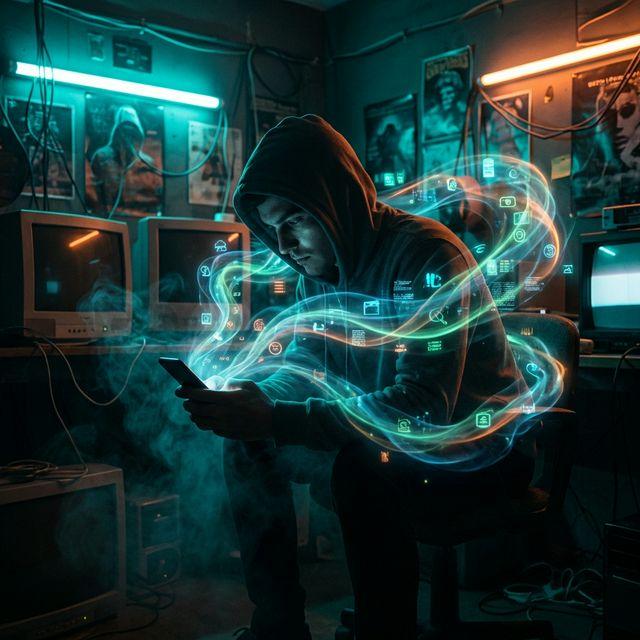
誰にでも経験があることです。夜の11時、疲れ果てているのに、親指は動き続けています。あと1つの動画だけ。あと1回の更新だけ。 気がつけば1時間が経過し、リラックスするどころか、興奮し、自分は不十分だと感じ、漠然とした不安に襲われます。
あなたは弱くありませんし、一人ではありません。デジタルの世界は、しばしばあなたのメンタルヘルスを犠牲にして、あなたを夢中にさせ続けるように設計されています。
ドーパミンループ:なぜやめられないのか
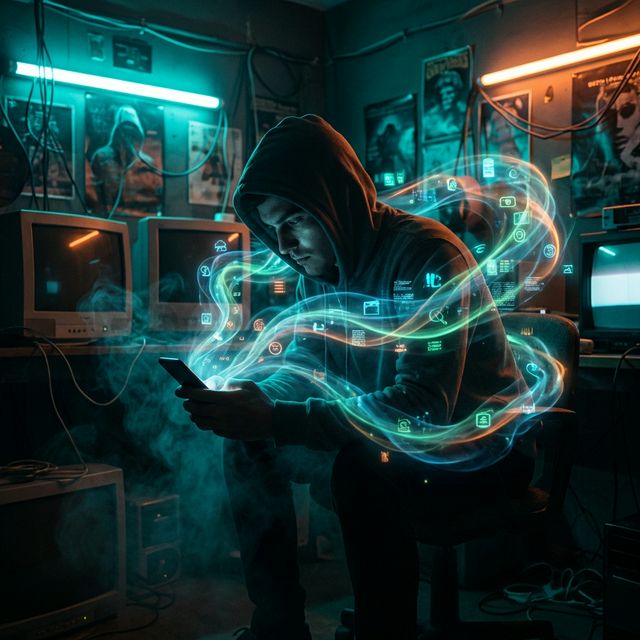
ソーシャルメディアのプラットフォームは、スロットマシンのように設計されています。「引っ張って更新」するメカニズムは、変動報酬システムです。退屈な更新が表示されることもあれば、「いいね」、面白いミーム、衝撃的なニュースが表示されることもあります。
この不確実性が、脳にドーパミン(欲求と期待の神経伝達物質)を放出させます。スクロールするたびに、あなたはその快感を追い求めているのです。しかし、自然なドーパミンの引き金(食事や社会的交流など)とは異なり、スクロールには自然な停止点がありません。それは文字通り無限です。
この常に警戒し期待している状態は、神経系を低レベルの「闘争・逃走」モードに保ち、コルチゾールレベルを上昇させ、真のリラックスを不可能にします。
比較の罠
「私たちが不安に苦しむ理由は、自分の舞台裏と他人のハイライトシーンを比較してしまうからです。」 — スティーブ・ファーティック
InstagramやTikTokをスクロールしているとき、あなたが見ているのは現実ではありません。現実の、キュレーションされ、フィルターがかけられ、編集されたパフォーマンスを見ています。しかし、原始的な脳は、これを真実と区別するのに苦労します。
これは相対的剥奪(周囲の人々よりも自分の方が状況が悪いと感じること)につながります。他人の昇進、休暇、「完璧な」人間関係を見て、無意識のうちに自分の苦労、退屈、不安とそれらを比較してしまうのです。
FOMO:つながっていないことへの不安
取り残されることへの恐怖(FOMO)は、単なる流行語ではありません。それは社会不安の一形態です。他人の活動の絶え間ない流れを消費することは、もっと何かをしなければならないというしつこい感覚を生み出します。
常に接続され、「知っている」状態でなければならないというこの圧力は、以下につながる可能性があります:
- 幻想振動症候群(スマホが振動していないのに振動したと感じる)
- 睡眠障害(目が覚めた瞬間にスマホをチェックする)
- 集中力の低下(深い仕事や会話に集中できない)
注意を取り戻す:デジタルデトックス
コントロールを取り戻すためにすべてのアカウントを削除する必要はありません。小さな、意図的な変更でドーパミンループを断ち切ることができます。
1. デジタルサンセット
厳格なルールを設定しましょう:就寝1時間前はスクリーン禁止。 ブルーライトはメラトニン(睡眠ホルモン)を抑制し、コンテンツは脳を活発に保ちます。可能であれば、スマホは別の部屋で充電してください。本物の目覚まし時計を買いましょう。
2. フィードをキュレーションする
タイムラインを自分の家のように扱いましょう。もし客が入ってきて、常にあなたを醜く、貧しく、不十分だと感じさせるなら、あなたは彼らを追い出すでしょう。フォローリストでも同じことをしてください。
- 嫉妬や劣等感を引き起こすアカウントのフォローを外す。
- ストレスの多いコンテンツを投稿する友人をミュートする。
- インスピレーションを与え、教育し、心から笑わせてくれるアカウントをフォローする。
3. 摩擦を利用する
アプリへのアクセスを難しくしましょう。
- 人間以外からの通知をすべてオフにする。 テキストや通話は維持し、「誰かがあなたの写真にいいねしました」や「今のトレンド」のアラートは無効にします。
- アプリをホーム画面から移動する。 2ページ目のフォルダに入れます。
- アプリタイマーを使用する。 スクロール系アプリには1日30分の厳しい制限を設定します。
影響を追跡する
SNSが本当に自分に影響を与えているのか確信が持てませんか?実験のように扱ってみましょう。
Anxiety Pulseを使用して、30分のスクロールセッションの前後でストレスレベルを測定してください。データに驚くかもしれません。不安指標の具体的な急上昇を見ることは、ついにスマホを置いて現実世界に戻るために必要な強力な動機付けになるかもしれません。
現実世界が待っている
画面上のコンテンツは無限ですが、あなたの時間と注意は有限です。スクロールから取り戻した1分1分は、あなたを本当に養うもの(実際の会話、創造的な趣味、あるいは単に何もしないという美しく静かな行為)に費やすことができる時間です。