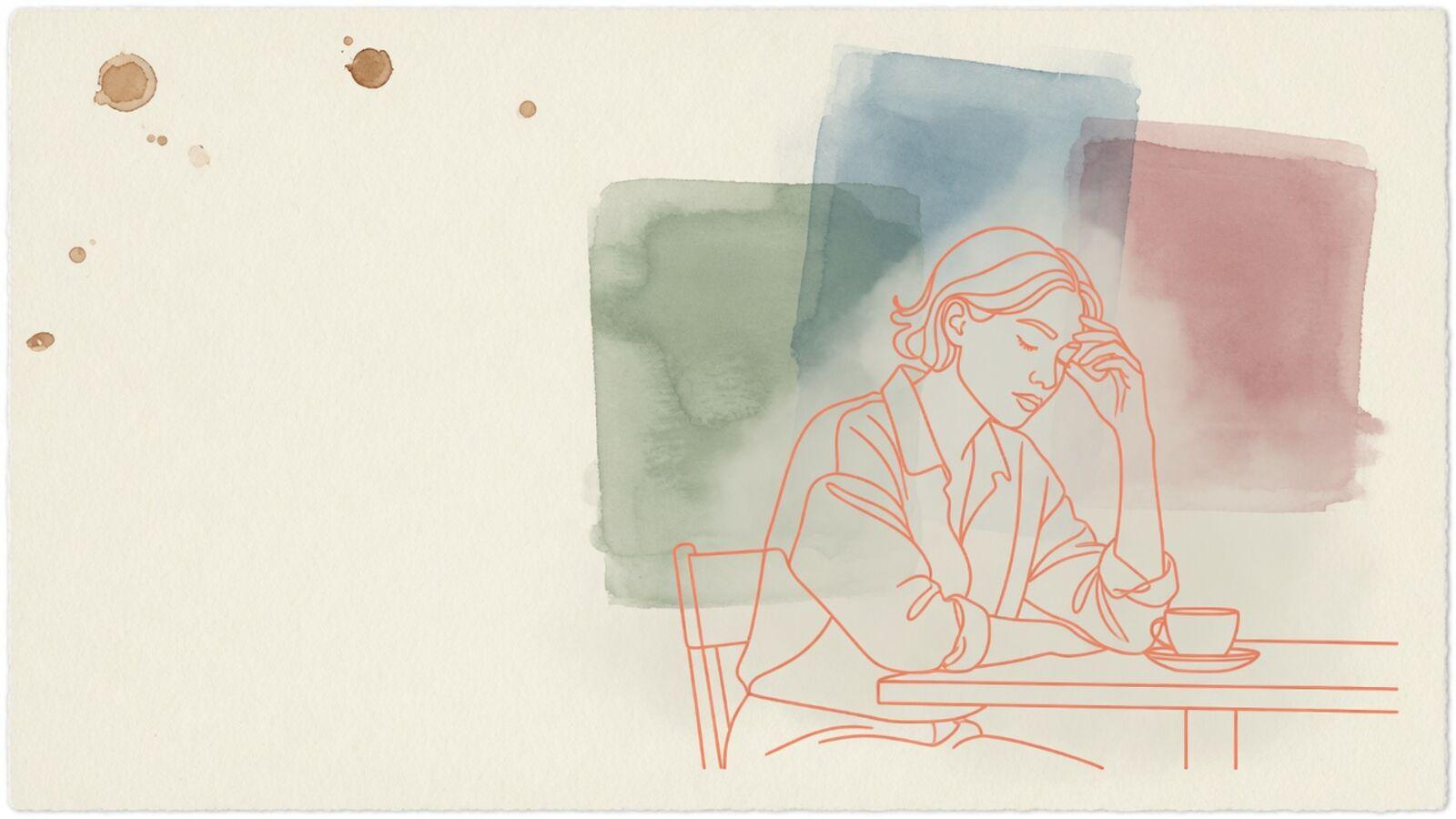
Du liest denselben Satz dreimal und kannst immer noch nicht sagen, wovon er handelte. Eine Kollegin stellt eine einfache Frage, und die Antwort, ein Wort, das du jeden Tag benutzt, ist einfach nicht da. Du öffnest eine Nachricht, die du vor einer Stunde schicken wolltest, und starrst sie an, als gehörte sie jemand anderem. Nichts davon ist medizinisch dramatisch. Du bist nicht verwirrt darüber, wer du bist oder wo du bist. Du bist nur... benebelt. Watte im Kopf. Eine halbe Sekunde hinter einem Leben, das früher in voller Geschwindigkeit lief.
Wenn das deine Woche ist, oder dein Jahr, sitzt womöglich die Angst in den Plätzen, in denen früher dein Denken wohnte. Gedankennebel, oft Brain Fog genannt, gehört zu den häufigsten kognitiven Effekten von Angst und zu den am seltensten erklärten, gerade weil er aussieht wie alles andere: Burnout, ADHS, eine schlechte Nacht, älter werden, das erste Kapitel von etwas Schlimmerem. Ängstlicher Nebel hat seine eigene Mechanik, seine eigene Signatur und, nützlicher noch, seine eigenen Auswege.
Warum Angst dein Denken trübt
Denken ist keine Stimmung, die in einem stillen Zimmer sitzt. Es ist ein Bündel begrenzter Ressourcen, und Angst gibt sie zuerst aus.
Wenn dein Gehirn eine Bedrohung registriert, echt oder eingebildet, verschiebt es die Priorität. Die Amygdala, gebaut für Geschwindigkeit statt Genauigkeit, zieht die Aufmerksamkeit aufs Absuchen, Anspannen und Proben. Der präfrontale Kortex, das langsamere System, das Wörter holt, einen Plan hält und zwischen zwei E-Mails wählt, wird absichtlich heruntergeregelt. In einem echten Notfall ist das nützlich: Du brauchst keinen wohlgesetzten Satz, du musst dich bewegen. Angst lässt dasselbe Programm einen ganzen Arbeitstag laufen, weshalb ein Geist, der immer noch perfekt in Panik geraten kann, keinen Absatz mehr zu Ende bringt.
Das Arbeitsgedächtnis ist das andere Leck. Du hast nur eine Handvoll Plätze für „was ich gerade tue“, und Sorge besetzt sie. Den Kommentar von gestern noch einmal abspielen, das heutige Gespräch vorhersagen, die Brust auf das nächste körperliche Symptom überwachen: Jedes davon ist ein Programm, das in demselben kleinen Arbeitsraum läuft, den der Bericht hätte nutzen sollen. Die Seite haftet nicht, weil die Seite den Schreibtisch nie bekommen hat. Grübeln gehört zu den teuersten dieser Programme, weshalb unser Ratgeber zum Stoppen von Grübelschleifen ebenso ein Konzentrationsartikel ist wie einer über Stimmung.
Dann kommen die Chemie und die Nacht. Adrenalin und Cortisol halten dich wach und stumpfen die Schaltkreise ab, die Fokus und Abruf leisten. Angst besteuert außerdem den Reset: Sie verzögert den Schlaf, zerstückelt ihn und liefert dich um drei Uhr morgens hellwach ab, das Muster, das unser Ratgeber zur nächtlichen Angst vollständig kartiert. Ein Geist, der den Tag auf Wache verbracht hat und die Nacht im Halbschlaf, wird sich morgens nicht scharf anfühlen, und der Cortisolschub der morgendlichen Angst kann genau diese ersten Stunden zu den nebligsten des ganzen Tages machen.
Der Körper mischt mit. Schnelles, flaches Atmen senkt das Kohlendioxid gerade genug, um dich benommen und leicht unwirklich zu hinterlassen, dieselbe Chemie hinter Schwindel durch Angst und dem abgedrifteten Rand der Derealisation. Rechne die Erschöpfung eines Systems hinzu, das mit hoher Drehzahl im Leerlauf steht, und „ich kann nicht denken“ ist kein Rätsel. Es ist die Rechnung.
Wie sich Gedankennebel durch Angst anfühlt
Die Signatur ist Langsamkeit mit ängstlicher Färbung, keine Verwirrung. Ein paar Muster tauchen immer wieder auf.
Wörter gehen verloren. Alltägliche Substantive verschwinden mitten im Satz. Du deutest stattdessen auf die Sache, lachst es weg und verbringst dann die nächsten zehn Minuten damit, im Hintergrund nach dem Wort zu jagen, was natürlich das nächste Wort noch schwerer zu finden macht.
Seiten haften nicht. Du erreichst das Ende eines Absatzes und hast keine Ahnung, was darin stand. Meetings werden zu einem Schleier, den du später aus den Notizen anderer rekonstruierst. Du liest deine eigenen Texte noch einmal und erkennst das Argument nicht.
Einfache Entscheidungen fühlen sich schwer an. Was essen, welche E-Mail zuerst beantworten, ob du den Anruf annimmst: Entscheidungen, die früher automatisch liefen, haben jetzt das Gewicht von etwas, das schiefgehen könnte. Das ist das Arbeitsgedächtnis, bereits voll, das gebeten wird, noch eine Sache zu halten.
Du fühlst dich eine halbe Sekunde hinterher. Nicht verloren, nur verzögert. Witze kommen spät an. Anweisungen müssen wiederholt werden. Du gehst in einen Raum und weißt nicht mehr, warum. Die Welt hat einen leichten Nachlauf, als liefe der Ton nicht synchron.
Du kannst immer noch schlagartig hellwach werden. Das ist das Erkennungszeichen. Eine plötzliche E-Mail vom Chef, eine seltsame Körperempfindung, ein Beinaheunfall im Verkehr: Der Nebel hebt sich sofort, weil Bedrohung immer noch die Bandbreite bekommt. Ein Geist, der auf Abruf in Panik geraten, aber kein Formular zu Ende bringen kann, ist kein Geist, der versagt. Es ist ein Geist, der sein Personal umbesetzt hat.
Der Nebel folgt deiner Last. Er verdichtet sich in ängstlichen Wochen, nach Abenden voller Grübeln, nach kurzen Nächten, und lichtet sich an wirklich ruhigen Tagen oder mitten in etwas, das dich fesselt. Einer Krankheit, die deine Kognition auffrisst, ist egal, ob du ein gutes Wochenende hattest.
Angst oder etwas anderes?
Gedankennebel hat eine lange Ursachenliste, und Angst, so häufig sie ist, sollte die Schuld nicht automatisch aufsaugen. Mehrere Alternativen sind gewöhnlich, testbar und behebbar.
ADHS. Schlechte Konzentration ist eine gemeinsame Klage, aber die Richtung der Aufmerksamkeit ist eine andere. ADHS-Aufmerksamkeit wandert zu dem, was interessanter ist. Ängstliche Aufmerksamkeit wird von Bedrohung gefangen. Wenn das seit der Kindheit gilt, über Kontexte hinweg, und sich nicht lichtet, wenn das Leben sich beruhigt, sprich es an. Unser Artikel über Angst und ADHS geht die vier Fragen durch, die die beiden tatsächlich trennen, und den häufigen Fall, in dem beides zutrifft.
Schlaf, Koffein und Grundlagen. Schlafapnoe erzeugt nicht erholsame Nächte und Dumpfheit am Tag. Ebenso kurzer Schlaf, niedriges Vitamin D, niedriges B12, Eisenmangel und Dehydrierung. Der Koffeinkreislauf verdient eine eigene Erwähnung: geliehene Schärfe am Morgen, dickerer Nebel nach dem Absturz, schlechterer Schlaf in der Nacht, stumpferer Geist morgen.
Depression, Schilddrüse, Hormone und Nachwirkungen. Depression trübt das Denken und flacht das Interesse ab; wenn der Nebel mit Verlust von Freude ankommt, nicht nur mit Verlust von Fokus, ist das ein anderes Gespräch. Eine Schilddrüsenunterfunktion ist eine klassische, per Bluttest prüfbare Ursache geistiger Trägheit. Die Jahre vor der Menopause können Angst und Nebel gleichzeitig erzeugen. Sedierende Antihistaminika, manche Angst- und Schlafmedikamente, Alkohol und postvirale Erkrankung, auch nach COVID, stumpfen das Denken ab und sollten beim Termin ausdrücklich genannt werden.
Das, wovor du dich eigentlich fürchtest. Für eine große Zahl von Menschen ist Gedankennebel nicht nur unbequem. Er ist Beweis, in ihrem privaten Gerichtssaal, für beginnende Demenz oder eine verborgene neurologische Krankheit. Diese Angst ist verständlich und, in der ängstlichen Version, fast immer falsch: Das Erkennungszeichen ist das Muster, der Snap ins Wachsein, die Art, wie ein Urlaub oder eine gute Nacht ihn lichtet. Aber „fast immer“ ist keine Diagnose.
Die Strategie, die diese Serie immer empfiehlt, gilt hier in vollem Umfang: Geh einmal gründlich zum Arzt, nenne jedes Symptom, lass die kurze Liste an Tests durchlaufen, und glaub dann dem Ergebnis. Wenn du die Entwarnung nicht annehmen kannst und allabendlich zu den Suchergebnissen zurückkehrst, hat diese Schleife einen eigenen Namen und einen eigenen Ausweg, beschrieben in unserem Ratgeber zur Krankheitsangst. Zu prüfen, ob du „immer noch neblig“ bist, ist selbst eine Steuer auf das Arbeitsgedächtnis. Der Test wird Teil des Nebels.
Wie du den Nebel löst
Der Instinkt sagt: härter versuchen, mehr Kaffee, mehr Tabs, eine lautere innere Standpauke. Das verdichtet ihn meist. Ängstlicher Nebel ist kein Motivationsproblem. Er ist ein Belegungsproblem. Die Lösung besteht darin, die Programme zu räumen, die nicht ins Arbeitsgedächtnis gehören, und die Chemie nachzufüllen, auf der Denken tatsächlich läuft.
1. Hör auf, den Nebel zu prüfen. Jede Kontrolle „ist er noch da?“ ist ein weiterer Gegenstand auf einem Schreibtisch, der bereits voll ist. Wenn du die Dicke bemerkst, benenne sie einmal („das ist Last, kein Schaden“) und kehre zur kleinsten nächsten Handlung zurück. Aufmerksamkeit ist hier Treibstoff, genau wie bei jedem anderen körperlichen Symptom von Angst.
2. Räum die Extra-Programme vom Schreibtisch. Schreib die Sorge auf, die Aufgabe, den halbfertigen Gedanken, und klapp das Heft zu. Zehn Minuten absichtliches Sorgen oder ein schriftlicher Gedanken-Dump, die Technik, die unser Artikel über Journaling und Gedankenprotokolle entwickelt, ist billiger als eine ganztägige Hintergrundprobe. Eine Sache nach der anderen, in einem kleineren Stück, als du denkst zu brauchen: eine E-Mail, nicht das Postfach; ein Absatz, nicht das Dokument.
3. Verlängere deine Ausatmung. Langsames Atmen mit langer Ausatmung ist der direkteste Befehl, den du dem sympathischen Nervensystem zum Abrüsten schicken kannst, und der schnellste Weg, das leichte Überatmen umzukehren, das Denken fern wirken lässt. Vier Zählzeiten ein, sechs bis acht aus, für ein paar gemächliche Minuten; der physiologische Seufzer ist die Sechzig-Sekunden-Version. Wenn sich das Zählen verflüchtigt, sobald du gestresst bist, hält ein visueller Taktgeber wie Flow Breath den Rhythmus, damit deine Aufmerksamkeit zur Aufgabe gehen kann statt zum Zählen.
4. Beweg dich, dann schütze die Nacht. Ein zehnminütiger Spaziergang, am besten draußen, verstoffwechselt Stresschemie, lichtet den Nebel zuverlässiger als noch ein Kaffee und gehört zu dem größeren Argument, das unser Ratgeber zu Bewegung und Angst entfaltet. Bewache dann das Erholungsfenster: konstante Zeiten, eine gedimmte letzte Stunde ohne Nachrichten und Feeds, Koffein nur am Vormittag. Alles in unserem Ratgeber zur Schlafhygiene zählt doppelt, wenn die Tage bereits teuer sind.
5. Ändere den Input, nicht nur die Anstrengung. Doomscrolling ist keine Pause; es ist mehr Bedrohung, in höherer Auflösung, in denselben kleinen Arbeitsraum gegossen. Geh weg vom Bildschirm, schau auf etwas Fernes, trink Wasser, iss, wenn es Stunden her ist. Der Geist, mit dem du zu denken versuchst, ist ein Körper, und der Körper war in Anspannung.
Du wartest nicht, bis der Nebel sich hebt, bevor du anfängst. Du fängst kleiner an als der Nebel, und das Anfangen ist, was ihn lichtet.
Das Muster darunter finden
Nebel, der „aus dem Nichts“ kommt, ist bedrohlich. Derselbe Nebel, entlarvt als Ankunft nach vier Stunden Schlaf, drei Kaffees, einem Arbeitsweg voller Grübeln und einem Tag aus Meetings ohne Pause, ist ein System mit Eingängen, die du justieren kannst.
Das Gedächtnis findet dir dieses Muster nicht, weil das Gedächtnis jeden leeren Moment unter „mit meinem Gehirn stimmt etwas nicht“ ablegt. Ein Protokoll macht das besser. Den Nebel in AnxietyPulse festzuhalten, zusammen mit Angstlevel, Schlaf, Koffein und dem, was der Tag enthielt, legt die Form meist innerhalb von zwei bis drei Wochen frei: den Montag nach einer kurzen Nacht, den Nachmittagsabsturz, die Art, wie ein Spaziergang oder eine eingegrenzte Sorgesitzung ihn bis zum Abend lichtet. Unser Ratgeber zum Verstehen von Auslösern erklärt, wie du liest, was das Protokoll zeigt.
Von da an wird das Lösen des Nebels zu einer kurzen Liste konkreter Tauschgeschäfte. Und das Protokoll tut noch eine Sache, die die Angst nicht überlebt: Es zeigt, dass jede Episode endete. Die Wörter kamen zurück. Die Seite haftete wieder. Ein Symptom mit Stundenplan und einer sauberen Akte des Endens ist ein Symptom, das bereits die Hälfte seiner Macht verloren hat.
Wann du zum Arzt solltest
Der meiste ängstliche Gedankennebel folgt dem Stress und hebt sich, wenn die Last leichter wird. Manche Muster verdienen aber zeitnahe Abklärung statt Selbstmanagement: eine plötzliche, schwere Veränderung im Denken oder in der Persönlichkeit; Verwirrung darüber, wo du bist, welcher Tag es ist oder wer die Menschen sind; Nebel, der über Wochen oder Monate stetig schlimmer wird und deinem Stress überhaupt nicht folgt; neue Schwäche, Sprachschwierigkeiten, Sehverlust oder ein schwerer Kopfschmerz, der nicht deinen üblichen gleicht; kognitive Veränderung nach einem Schlag auf den Kopf; Nebel mit unerklärtem Gewichtsverlust, Fieber oder Nachtschweiß; oder Nebel zusammen mit gedrückter Stimmung und Interessenverlust, der nicht weichen will. Nichts davon passt ins gewöhnliche Angstbild, und jedes davon hat eine Abklärung.
Nebel, der sich in ängstlichen Wochen verdichtet, im Urlaub lichtet, sich hebt, sobald etwas dich tatsächlich verlangt, und mit der vertrauten Begleitung aus Anspannung und Sorge eintrifft, ist mit überwältigender Wahrscheinlichkeit genau das, wonach er sich anfühlt: ein funktionierender Geist, vorübergehend besetzt von der falschen Abteilung.
Das Wichtigste in Kürze
Gedankennebel durch Angst ist nicht deine Intelligenz, die geht. Es ist deine Intelligenz, die umbesetzt wird. Dasselbe System, das immer noch einen Raum absuchen, ein Gespräch proben und bei einer Benachrichtigung aufspringen kann, hat einfach Bedrohung auf die Gehaltsliste gesetzt und Sprache, Planung und Gedächtnis das teilen lassen, was übrig ist. Deshalb scheitert härter versuchen so oft, und deshalb wirken die stilleren Züge: Räum die Extra-Programme vom Schreibtisch, verlängere die Ausatmung, geh die kleine Runde, sperr die Nacht, hör auf, beim Nebel Anwesenheit zu kontrollieren.
Schließ die kurze medizinische Liste einmal aus, wenn sie dich beunruhigt, und vertrau dann dem Urteil. Verfolge, wann die Dicke zum Dienst erscheint und was sie lichtet. Wie das meiste im Repertoire der Angst ist er laut, ist er überzeugend und läuft auf deiner eigenen Aufmerksamkeit: Gib diese Aufmerksamkeit für eine kleine nächste Sache aus, und der Geist, den du gesucht hast, ist meist noch da und wartet, bis der Schreibtisch frei wird.
Dieser Artikel dient ausschließlich zu Informationszwecken und ersetzt keine professionelle medizinische Beratung. Plötzliche oder schwere Veränderungen im Denken, Verwirrung, fortschreitender kognitiver Abbau, neue neurologische Symptome oder Nebel, der dem Stress nicht folgt, sollten immer ärztlich abgeklärt werden.