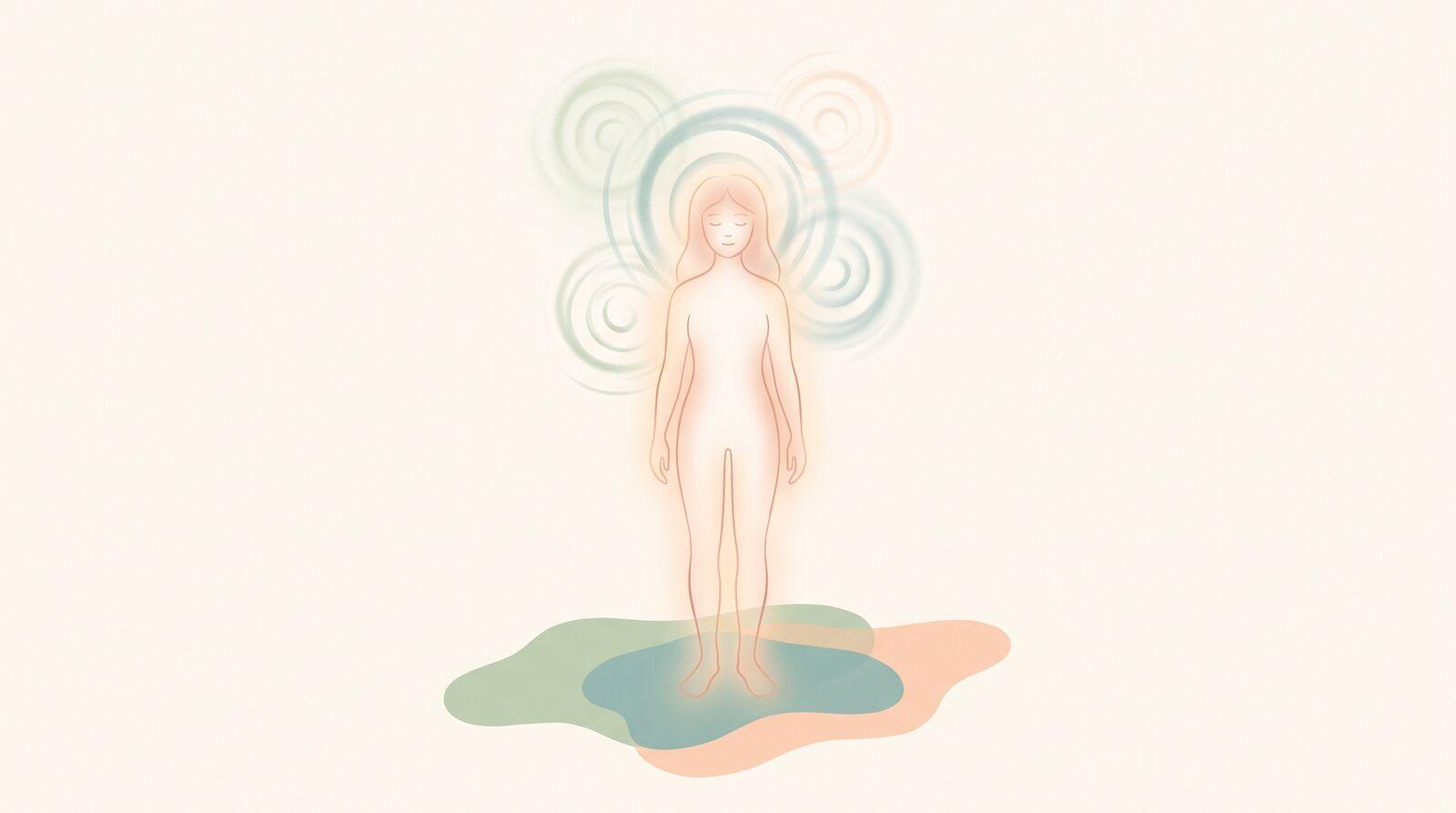
कमरा ठीक-ठीक घूमता तो नहीं, पर पूरी तरह ठहरा हुआ भी नहीं लगता। आप खुद को हवा में तैरता, डगमगाता, अपने ही शरीर से आधा सेकंड पीछे महसूस करते हैं, जैसे फर्श पर ज्यादा भरोसा किया तो वह झुक जाएगा। तो आप शॉपिंग कार्ट को थोड़ा और कसकर पकड़ लेते हैं, 'बस एहतियातन' बैठ जाते हैं, और चुपचाप नजदीकी दरवाजा या थामने लायक दीवार तलाशने लगते हैं।
चक्कर आना एंग्जायटी के सबसे आम शारीरिक लक्षणों में से एक है, और सबसे कम बात किए जाने वालों में से भी। सीने की जकड़न कम से कम खुद को तनाव के रूप में जाहिर कर देती है; सिर का हल्कापन न्यूरोलॉजिकल महसूस होता है, और दिमाग तेजी से डरावनी जगहों की ओर भागता है: बेहोशी, दिमाग की कोई बीमारी, कुछ गहरा गड़बड़ होने का एहसास। यह डर मायने रखता है, क्योंकि यह सिर्फ चक्कर की प्रतिक्रिया नहीं है। यह उस चीज का हिस्सा है जो चक्कर को चलाए रखती है। इसकी कार्यप्रणाली को समझना ही अपने पैर फिर से जमाने का पहला कदम है।
एंग्जायटी से चक्कर क्यों आते हैं
जब आपका दिमाग किसी खतरे को भांपता है, चाहे वह असली हो या काल्पनिक, तो फाइट-या-फ्लाइट प्रतिक्रिया चालू हो जाती है, और इसके कई असर एक साथ आपके संतुलन की भावना पर आ मिलते हैं।
आपकी सांस चुपचाप हद पार कर जाती है। घबराहट की सांस शांत सांस के मुकाबले तेज, उथली, और सीने में ऊपर की ओर होती है। कुछ ही मिनटों में यह हल्का हाइपरवेंटिलेशन शरीर की जरूरत से ज्यादा कार्बन डाइऑक्साइड बाहर निकाल देता है, और कम कार्बन डाइऑक्साइड दिमाग को खून पहुंचाने वाली नसों को हल्का सा सिकोड़ देती है। नतीजा है एंग्जायटी का वह क्लासिक हल्कापन: तैरता हुआ सिर, घुमेरी जैसा एहसास, होठों और उंगलियों के आसपास झनझनाहट, और असलियत से कटे होने का बोध। इसके लिए आपका हांफते हुए दिखना जरूरी नहीं; तनाव भरी दोपहर के दौरान बनी रही एक मुश्किल से नजर आने वाली ज्यादा-सांस-लेने की आदत ही काफी है।
आपकी गर्दन और कंधे अकड़ जाते हैं। गर्दन की मांसपेशियां पोजीशन सेंसरों से भरी होती हैं जो सीधे आपके संतुलन तंत्र में जानकारी भेजते हैं। जब एंग्जायटी गर्दन, जबड़े, और कंधों को घंटों कसे रखती है, तो ये सेंसर बिगड़ी हुई जानकारी भेजने लगते हैं, जिसे दिमाग डगमगाहट या एक अस्पष्ट तैरते हुए एहसास के रूप में अनुभव करता है। यह वही पूरे शरीर की अकड़न है जो एंग्जायटी से सीने में जकड़न पैदा करती है, बस एक मंजिल ऊपर महसूस होती है।
एड्रेनालिन आपके रक्त संचार को बदल देता है। फाइट-या-फ्लाइट खून को बड़ी मांसपेशियों की ओर मोड़ देता है और ब्लड प्रेशर तथा दिल की धड़कन में क्षणिक बदलाव ला सकता है, खासकर जब आप झटके से खड़े होते हैं। एड्रेनालिन का एक उछाल सचमुच पल भर के लिए सिर हल्का कर सकता है, और घबराया हुआ दिमाग उस पल को रसायन विज्ञान के बजाय किसी अनहोनी के सबूत की तरह पढ़ता है।
आपका संतुलन तंत्र हाई अलर्ट पर चला जाता है। संतुलन आपके भीतरी कान, आंखों, और शरीर के पोजीशन सेंसरों के बीच की एक सौदेबाजी है। एंग्जायटी इस पूरे तंत्र की संवेदनशीलता बढ़ा देती है। भरी-पूरी विजुअल जगहें, सुपरमार्केट की गलियां, स्क्रॉल होती स्क्रीनें, भीड़ भरे स्टेशन, अचानक अस्थिर करने वाली लगने लगती हैं, क्योंकि आपका दिमाग अब उस संतुलन डेटा की निगरानी कर रहा है जिसे वह आम तौर पर चुपचाप प्रोसेस करता है। शोधकर्ताओं के पास उस पैटर्न का एक नाम भी है जिसमें यही चौकसी खुद पुरानी डगमगाहट को बनाए रखती है: परसिस्टेंट पोस्चुरल-परसेप्चुअल डिजीनेस, और एंग्जायटी इसकी सबसे आम साथी है।
आपका ध्यान वहीं अटक जाता है। एक बार आपको कुछ बार चक्कर आ जाएं, तो दिमाग उस संवेदना पर चौबीसों घंटे की निगरानी बिठा देता है। वे मामूली झोंके जो हर किसी को आते हैं, झटके से खड़े होना, सिर तेजी से घुमाना, अब नोटिस होते हैं, बढ़ा-चढ़ाकर महसूस होते हैं, और किसी अनहोनी की शुरुआत की तरह पढ़े जाते हैं। ध्यान का यही चक्र ज्यादातर एंग्जायटी के शारीरिक लक्षणों के पीछे का तंत्र है, और संतुलन इसका पसंदीदा निशाना है क्योंकि यहां दांव बहुत ऊंचा महसूस होता है।
एंग्जायटी का चक्कर या कुछ और?
आइए इस डर से सीधे निपटें, क्योंकि कोई भी ग्राउंडिंग तकनीक तब तक काम नहीं करती जब तक दिमाग का एक हिस्सा यही पूछता रहे कि 'कहीं सचमुच कुछ गड़बड़ तो नहीं?'
सबसे पहले, ईमानदार बुनियादी बात: चक्कर आने की कई संभावित वजहें हैं, जिनमें भीतरी कान की समस्याएं, ब्लड प्रेशर के मसले, खून की कमी, दवाओं के असर, और पानी की कमी शामिल हैं, और अगर यह नया है, बार-बार हो रहा है, या बदल रहा है, तो यह एक ठीक से की गई मेडिकल जांच का हकदार है। एक अच्छी जांच और साफ शब्दों में मिली व्याख्या सौ तसल्ली देने वाले लेखों से ज्यादा कीमती है।
फिर भी, एंग्जायटी से जुड़े चक्कर का एक पहचाना जा सकने वाला पैटर्न होता है:
- यह सिर का हल्कापन है, सचमुच का घूमना नहीं। एंग्जायटी का चक्कर आम तौर पर तैरने, घुमेरी, या डगमगाहट जैसा महसूस होता है। असली वर्टिगो, यानी कमरे के खुद घूमने का साफ भ्रम, भीतरी कान की ओर ज्यादा इशारा करता है, खासकर अगर सिर की पोजीशन उसे भड़काती हो।
- यह आपकी हरकतों के साथ नहीं, तनाव के साथ चलता है। यह फिक्र, झगड़े, भीड़ भरी जगहों, या दबी हुई आशंका के दौरान उभरता है, और अक्सर तब घट जाता है जब आप किसी दिलचस्प काम में डूबे होते हैं। भीतरी कान की समस्याओं को इस बात से फर्क नहीं पड़ता कि आप रिलैक्स हैं या नहीं।
- यह लगभग कभी बेहोशी पर खत्म नहीं होता। एंग्जायटी का हल्कापन ऐसा महसूस होता है जैसे आप बस बेहोश होने ही वाले हैं, पर असली बेहोशी के लिए ब्लड प्रेशर का गिरना जरूरी है, और एंग्जायटी उसे आम तौर पर बढ़ाती है। महीनों तक बेहोशी जैसा महसूस होना और कभी बेहोश न होना अपने आप में एंग्जायटी की ओर एक मजबूत इशारा है।
- यह अकेला नहीं आता। दौड़ते विचार, सीने पर दबाव, हाथों में झनझनाहट, असलियत से कटे होने का एहसास, और पेट में गांठ अगर घुमेरी के साथ-साथ दिखें, तो इशारा साफ तौर पर फाइट-या-फ्लाइट तंत्र की ओर है।
इनमें से कोई भी नियम डॉक्टर की जगह नहीं लेता। अचानक तेज चक्कर के साथ लड़खड़ाती जबान, दोहरा दिखना, सुन्नपन, शरीर के एक तरफ कमजोरी, अचानक उठा भयानक सिरदर्द, या चोट के साथ बेहोशी इमरजेंसी देखभाल की मांग करती है, सांस के व्यायाम की नहीं। और अगर आपका चक्कर दहशत की लहर के साथ अचानक भारी झोंकों में आता है, तो पैनिक अटैक को कैसे रोकें पर हमारी गाइड पढ़ें, क्योंकि वह अपने आप में एक अलग पहचाना जाने वाला पैटर्न है।
अभी खुद को कैसे संभालें
एक बार आप जान लें कि चक्कर एंग्जायटी का है, तो आप इस पर तीन तरफ से काम कर सकते हैं: सांस, संतुलन तंत्र, और इनके ऊपर बैठा डर।
1. सांस छोड़ना धीमा करें, हवा न गटकें। सिर हल्का लगने पर सहज प्रवृत्ति ज्यादा सांस लेने की होती है, पर ज्यादा हवा ही तो वह चीज है जिसने समस्या पैदा की। अपनी सांस छोड़ने को सांस लेने से लंबा होने दें: नाक से करीब चार गिनती तक अंदर, फिर सिकुड़े होठों से धीरे-धीरे छह से आठ गिनती तक बाहर। इससे कार्बन डाइऑक्साइड वापस सामान्य स्तर पर चढ़ जाती है, जो तैरते सिर को सीधे राहत देती है, अक्सर दो-एक मिनट के भीतर। अगर घबराहट आते ही गिनती बिखर जाती है, तो Flow Breath जैसा विजुअल पेसर आपके लिए लय थामे रखता है, जिससे व्यायाम के असर करने लायक देर तक उसके साथ बने रहना कहीं आसान हो जाता है।
2. आंखों को एक स्थिर बिंदु दें। जब नजर संतुलन को थाम लेती है, तो संतुलन शांत हो जाता है। आंखों की सीध में रखी किसी एक स्थिर चीज पर नजर टिकाएं और सांस लेते हुए आंखों को वहीं ठहरने दें। फिर धीरे-धीरे कमरे में चारों ओर देखें और जो दिखे उसे नाम दें। यह उस विजुअल इनपुट को स्थिर करता है जिसे लेकर आपका संतुलन तंत्र बेचैन है, और साथ ही दिमाग के पुराने हिस्सों को सुरक्षा का संकेत भेजता है।
3. शरीर के जरिए खुद को जमीन से जोड़ें। दोनों पैर फर्श पर मजबूती से दबाएं और उस ठोस संपर्क को महसूस करें। हथेलियों को आपस में दबाएं, या हाथों को मेज पर या जांघों पर नीचे की ओर दबाएं। मजबूत दबाव आपके पोजीशन सेंसरों को साफ, भरोसेमंद डेटा देता है, जो अकड़ी गर्दन से आ रहे बिगड़े संकेत को शांत कर देता है। कंधों को ढीला छोड़ना और गर्दन को हल्के से घुमाना अकड़न को उसकी जड़ पर ही ढीला कर देता है।
4. हिलते-डुलते रहें, आराम से। डगमगाहट महसूस होने पर स्वाभाविक प्रतिक्रिया है ठहर जाना, बैठ जाना, और जितना कम हो सके हिलना। थोड़े समय के लिए यह सुरक्षित लगता है; पर हफ्तों में यह आपके संतुलन तंत्र को और भी सतर्क और प्रतिक्रियाशील होना सिखा देता है। सामान्य हल्की-फुल्की हरकत, टहलना, सिर को सामान्य ढंग से घुमाना, अपनी आम रफ्तार से खड़े होना, असल में री-ट्रेनिंग है। आप अपने दिमाग को उसी एकमात्र भाषा में, जिस पर वह पूरा भरोसा करता है, दिखा रहे हैं कि आपका संतुलन काम करता है।
यह बार-बार क्यों लौट आता है
अगर एंग्जायटी का चक्कर सिर्फ एक यांत्रिक समस्या होता, तो धीमी सांस का एक सेशन उसे खत्म कर देता। इसे लौटाता रहता है इसके ऊपर बैठा चक्र: चक्कर डर पैदा करता है, डर अकड़ी मांसपेशियां, चौकन्नी निगरानी, और ज्यादा सांस लेना पैदा करता है, और डगमगाहट गहरी हो जाती है, जो मानो पुष्टि कर देती है कि कुछ गड़बड़ है। लक्षण खुद लक्षण के डर पर पलता है।
टालना इस चक्र का सबसे अच्छा दोस्त है। सुपरमार्केट छोड़ देना, गाड़ी चलाने से बचना, हमेशा एक दीवार को पहुंच के भीतर रखना: हर टालना अभी राहत देता है और बाद में चक्कर को और इलाका सौंप देता है, क्योंकि आपका दिमाग यह नतीजा निकाल लेता है कि वे जगहें सचमुच खतरनाक थीं। वापसी का रास्ता धीमा और बिना चमक-दमक वाला है: उन स्थितियों में जाते रहें, लंबी सांस छोड़ने और टिकी हुई नजर से लैस होकर, और अपने दिमाग को यह सबूत जमा करने दें कि फर्श थामे रखता है।
अपने बेसलाइन पर नजर डालना भी काम का है। चक्कर के दौरे शायद ही कभी बेतरतीब ढंग से पड़ते हैं: वे खराब नींद पर, जरूरत से ज्यादा कैफीन के बाद, खाना छोड़ने पर, और जमा होते तनाव के दौर में इकट्ठा होते हैं। यहीं ट्रैकिंग अपनी जगह बनाती है। AnxietyPulse में अपनी एंग्जायटी और लक्षणों को नींद, कैफीन, और तनावपूर्ण घटनाओं के साथ-साथ दर्ज करना एक ऐसा रिकॉर्ड खड़ा करता है जो याददाश्त नहीं बना सकती: कुछ हफ्तों में आप पा सकते हैं कि आपका चक्कर पक्के तौर पर छोटी नींद वाली रातों, लंबे स्क्रीन वाले दिनों, या किन्हीं खास किस्म के तनावों के बाद आता है। एक बार जब आप यह पृष्ठभूमि देख पाते हैं, तो लक्षण बेतरतीब लगना बंद हो जाता है, और बेतरतीबी ही तो इसे डरावना बनाने वाली आधी चीज है।
अतिरिक्त सहारा कब लें
अगर चक्कर बार-बार आ रहा है, अगर आप अपनी जिंदगी को इससे बचने के इर्द-गिर्द जमाने लगे हैं, या अगर मेडिकल तसल्ली कुछ ही दिनों में असर खोने लगती है, तो अकेले संभालने के बजाय किसी पेशेवर को साथ लेना बेहतर है। कॉग्निटिव बिहेवियरल थेरेपी उस डर-और-टालने के चक्र पर अच्छा असर करती है जो चक्कर को जिंदा रखता है, और वेस्टिबुलर रिहैबिलिटेशन, एक फिजियोथेरेपी तरीका जो चरणबद्ध व्यायामों के जरिए संतुलन तंत्र को फिर से प्रशिक्षित करता है, तब मदद करता है जब डगमगाहट पुरानी हो चुकी हो। खास तौर पर परसिस्टेंट पोस्चुरल-परसेप्चुअल डिजीनेस के लिए इन दोनों का मेल ही मानक इलाज है। जिस लक्षण की मेडिकल जांच पहले ही हो चुकी है, उसके लिए मदद लेना कोई अतिरेक नहीं है; यह असली वजह का इलाज है।
निचोड़
एंग्जायटी चुपचाप ज्यादा सांस लेने, अकड़ी गर्दन, रक्त संचार पर एड्रेनालिन के असर, और हाई अलर्ट पर अटके संतुलन तंत्र के जरिए चक्कर पैदा करती है, और इस संवेदना का डर इन सबको चलाए रखता है। एक बार जांच करवा लें ताकि डर के पास जवाब हो। फिर संभलने के हुनर पर काम करें: लंबी सांस छोड़ना, टिकी हुई नजर, पैरों के नीचे ठोस जमीन, और पीछे हटने के बजाय हल्की, सामान्य हरकत। लंबे समय में यह ट्रैक करें कि घुमेरी कब उभरती है, ताकि आप उस बेसलाइन को नीचे ला सकें जो इसे पैदा करती है। यह डगमगाहट आपके तंत्रिका तंत्र ने बनाई थी, और वही तंत्रिका तंत्र, सही संकेत मिलने पर, अपने पैर फिर से जमाना भी बखूबी जानता है।
यह लेख केवल जानकारी के उद्देश्य से है और पेशेवर चिकित्सा सलाह का विकल्प नहीं है। नया, तेज, या लगातार बना चक्कर हमेशा किसी स्वास्थ्य सेवा प्रदाता से जांच करवाने लायक है, और न्यूरोलॉजिकल लक्षणों के साथ अचानक उठा चक्कर इमरजेंसी देखभाल की मांग करता है।