When anxiety hits, it can feel like your mind is racing at a million miles an hour while your body is stuck in a permanent state of tension. While therapy, mindfulness, and lifestyle changes are foundational to managing anxiety, many people turn to natural supplements for an extra layer of support.
But with so many options promising instant calm, how do you know what actually works? In this guide, we'll explore the most effective, evidence-backed supplements for anxiety and discuss why tracking their impact is crucial for finding your perfect regimen.
The Science of Supplements and Anxiety
It's important to understand that supplements aren't magic pills. They work by gently modulating neurotransmitters, reducing inflammation, or lowering cortisol (the stress hormone) levels in your body. When choosing a supplement, you want to look for ingredients with solid clinical research backing their efficacy.
Here are some of the most widely researched and highly regarded natural supplements for anxiety:
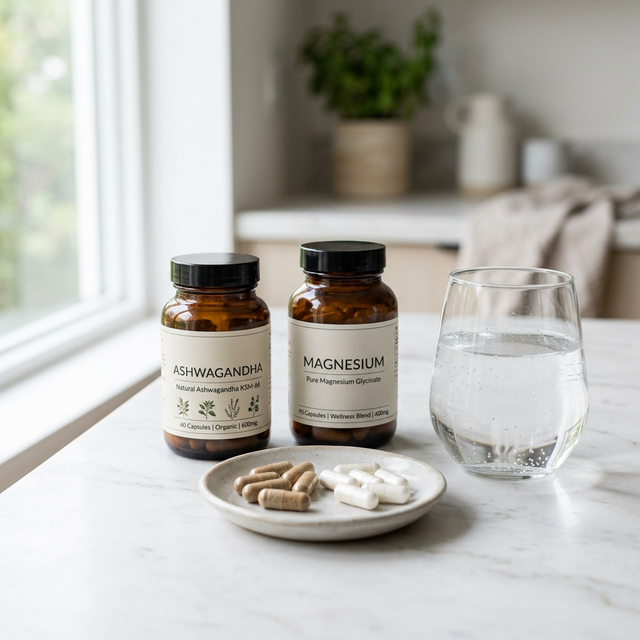
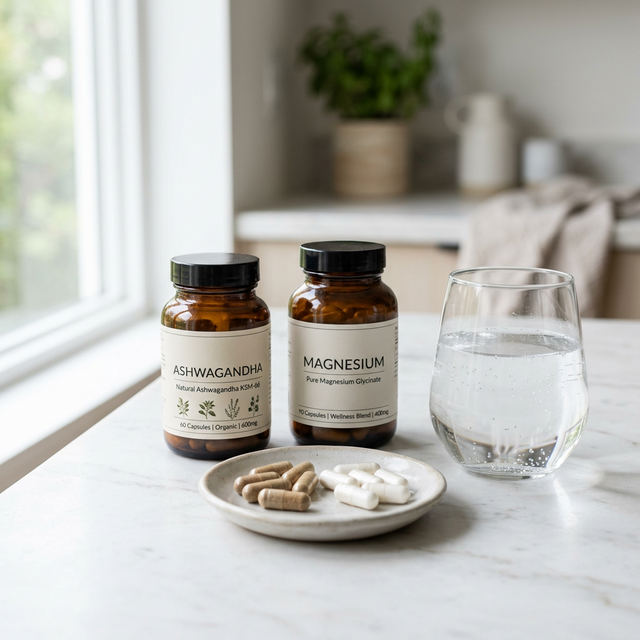
1. Ashwagandha (Withania somnifera)
Ashwagandha is an adaptogenic herb that has been used in Ayurvedic medicine for thousands of years. Adaptogens help your body resist both physical and mental stress.
- How it works: It primarily lowers cortisol levels and mimics the action of GABA, an inhibitory neurotransmitter that promotes calmness.
- The evidence: Numerous studies have shown that highly concentrated Ashwagandha root extract safely and effectively improves an individual's resistance towards stress and thereby improves self-assessed quality of life.
- Best for: Chronic stress, generalized anxiety, and sleep disturbances caused by a racing mind.
2. Magnesium (Specifically Magnesium Glycinate)
Often referred to as the "relaxation mineral," magnesium plays a crucial role in over 300 biochemical reactions in the body, including those that regulate the nervous system.
- How it works: Magnesium binds to and stimulates GABA receptors in the brain. When GABA is low, your brain gets stuck in the "on" position, making it difficult to relax.
- The evidence: Research suggests that nearly half the population doesn't get enough magnesium from their diet, and this deficiency is strongly linked to heightened anxiety.
- Best for: Physical tension, muscle cramps accompanying anxiety, and promoting deep sleep. (Magnesium Glycinate is preferred as it's highly absorbable and gentle on the stomach).
3. L-Theanine
L-Theanine is a unique amino acid found primarily in green tea. It's famous for providing the focused calm often associated with drinking tea.
- How it works: It increases alpha brain waves, which are associated with a state of "wakeful relaxation." It also boosts levels of GABA, serotonin, and dopamine.
- The evidence: Studies indicate that L-Theanine can reduce subjective stress and anxiety responses, especially during demanding cognitive tasks.
- Best for: Acute stress (like before a presentation or flight), promoting relaxation without causing drowsiness, and counteracting the jittery effects of caffeine.
4. Vitamin D
While technically a hormone, Vitamin D is crucial for mood regulation and brain health.
- How it works: Vitamin D receptors are found throughout the brain, including areas involved in depression and anxiety. It helps regulate the production of serotonin.
- The evidence: Low levels of Vitamin D have been consistently linked to higher rates of anxiety and depression. Supplementing can be particularly helpful during winter months or if you spend most of your time indoors.
- Best for: Seasonal affective changes and general baseline mood support.
Why You MUST Track Your Supplements
Here is the biggest mistake people make when taking supplements: they swallow a handful of pills every morning and guess if they're working.
Your body is unique. What brings profound relief to one person might do nothing for another. The only scientific way to know if your supplement stack is genuinely reducing your anxiety is to track it meticulously.
Enter Supplements Tracker
If you're serious about optimizing your mental health with supplements, you need the right tools. We've partnered with Supplements Tracker, the premier app designed specifically for dialing in your supplement routine.
Here's why tracking is a game-changer:
- Identify What Works: By logging your anxiety levels daily alongside your supplement intake, you can objectively see which interventions are moving the needle.
- Optimize Dosage: Are you taking too much Magnesium? Too little Ashwagandha? Tracking helps you find your personal "goldilocks" zone.
- Monitor Side Effects: Sometimes supplements can cause mild digestive issues or headaches. Tracking helps you pinpoint the culprit immediately.
- Save Money: Stop wasting money on expensive "miracle" blends that aren't actually improving your specific symptoms. Track it, prove it works, or ditch it.
Using an app like Supplements Tracker removes the guesswork from your wellness journey. It allows you to approach your anxiety management like a scientist, optimizing for what brings you the most peace.
The Bottom Line
Natural supplements can be incredibly valuable tools in your anxiety toolkit. Ashwagandha, Magnesium, L-Theanine, and Vitamin D are excellent starting points backed by solid research.
However, a supplement is only as good as the results it produces for you. Start slow, introduce one supplement at a time, and commit to tracking your anxiety levels and symptoms daily.
Disclaimer: This article is for informational purposes only and does not constitute medical advice. Always consult with a healthcare professional before starting any new supplement regimen, especially if you are currently taking medications or have underlying health conditions.