Cognitive Behavioral Therapy (CBT) Techniques for Generalized Anxiety Disorder (GAD)
CBT is the first-line psychological treatment for GAD because it targets the intolerance of uncertainty at the disorder's core. Thought records help you catch the 'what if' thinking loops that drive chronic worry and replace them with probability-based assessments of actual risk.
Generalized Anxiety Disorder (GAD) — Common Symptoms
Chronic Muscle Tension
Persistent tightness in the shoulders, neck, jaw, or back that may worsen during periods of heightened worry.
Sleep Disruption
Difficulty falling asleep or staying asleep due to racing thoughts, often leading to fatigue and impaired daytime functioning.
Restlessness
A constant feeling of being on edge or keyed up, making it difficult to sit still or relax even during downtime.
Excessive Worry
Uncontrollable worry about multiple life domains that persists for six months or longer and feels disproportionate to actual risk.
Difficulty Concentrating
Trouble focusing on tasks or following conversations because the mind repeatedly returns to anxious concerns.
Irritability
Increased frustration or short temper, often triggered by the cognitive load of sustained worry and physical tension.
Cognitive Behavioral Therapy (CBT) Techniques — Step-by-Step Guide
Identify the Anxious Thought
Write down the specific thought that is driving your anxiety. Be precise — instead of 'I'm anxious about work,' capture the exact fear: 'I believe my manager thinks I'm incompetent and will fire me.'
Examine the Evidence
List the concrete evidence that supports this thought, then list the evidence that contradicts it. Stick to facts, not feelings. For example: 'My last performance review was positive' counts as evidence against the thought.
Identify the Cognitive Distortion
Label the thinking pattern. Common distortions include catastrophizing (assuming the worst), mind-reading (assuming you know what others think), all-or-nothing thinking, and fortune-telling (predicting negative outcomes with certainty).
Reframe the Thought
Write a more balanced, realistic version of the thought. This is not positive thinking — it is accurate thinking. Example: 'My manager has given me constructive feedback, which is a normal part of work, not a sign I will be fired.'
Test the New Belief
Design a small behavioral experiment to test whether the reframed thought holds up. For example, ask your manager directly for feedback on your recent work. Track the outcome and compare it to your original prediction.
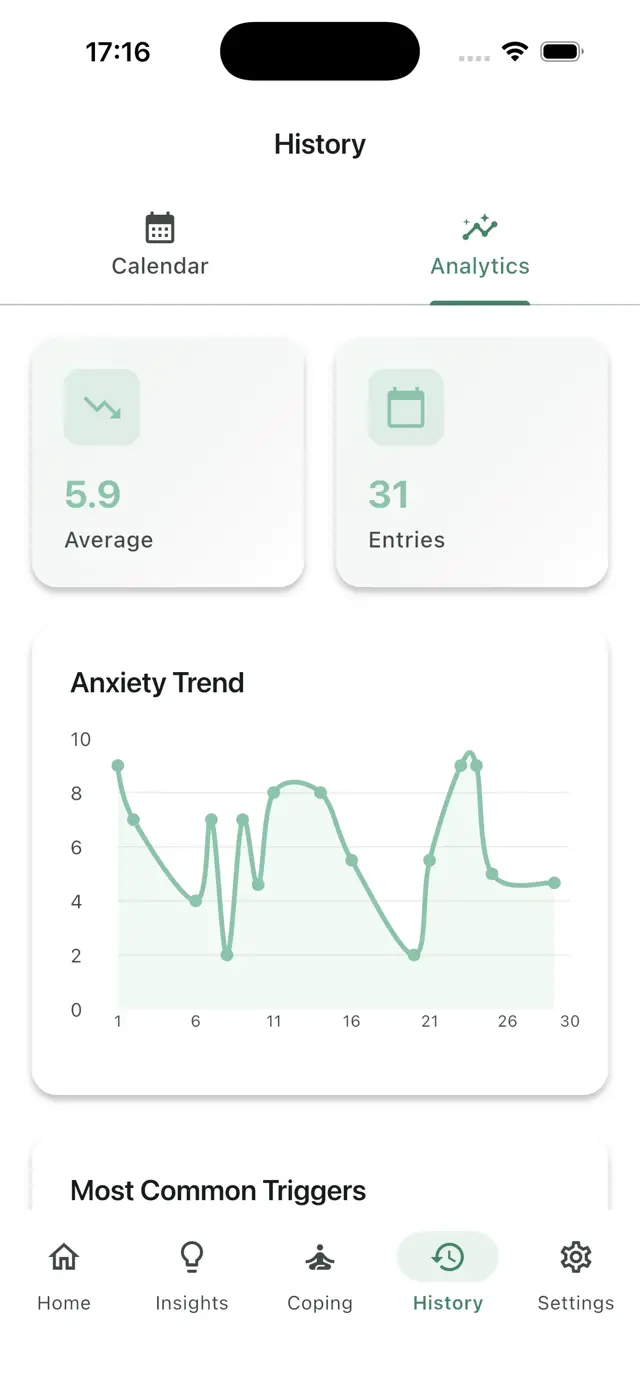
Track Your Progress
See how these techniques work for you over time with AnxietyPulse.
Frequently Asked Questions
Related Articles
5 Grounding Techniques for Immediate Anxiety Relief
Feeling overwhelmed? Discover 5 proven grounding techniques to stop anxiety attacks in their tracks and regain control of your mind and body.
Nighttime Anxiety: Why It Happens and How to Calm Your Mind Before Bed
Do you feel fine all day, only for your anxiety to spike the moment your head hits the pillow? Here is why nighttime anxiety happens and how to stop racing thoughts.
Doomscrolling Anxiety: The Science & How to Stop
Learn the science behind doomscrolling anxiety, why negative news hooks our brains, and actionable tips to stop doomscrolling for better mental health.